Educational philosophy
Learning should open doors.
“We believe education should help every student become an independent thinker, a responsible individual, and an active member of society. Learning should encourage curiosity, develop confidence, and open doors to new opportunities.”
Ten guiding principles
Learning through discovery
Students understand more deeply when they observe, try, and find answers themselves.
Student-centred education
Lessons start from where each student is, and move at a pace that supports progress.
Critical thinking
We teach students to ask why, to compare sources, and to reason carefully.
Creativity
Imagination is a skill. We give it room in every subject, not only in art.
Personal responsibility
Students learn to own their work, their words, and their choices.
Cooperation
Group work, shared projects, and peer support build trust and practical skills.
Educational inclusion
Every child has a place in the classroom and a right to participate fully.
Respect for diversity
Differences in background, ability, and opinion are treated with respect.
Lifelong learning
The aim is not only to finish school, but to keep learning for life.
Academic development
High expectations, clear goals, and steady support for every student.
What this looks like in class
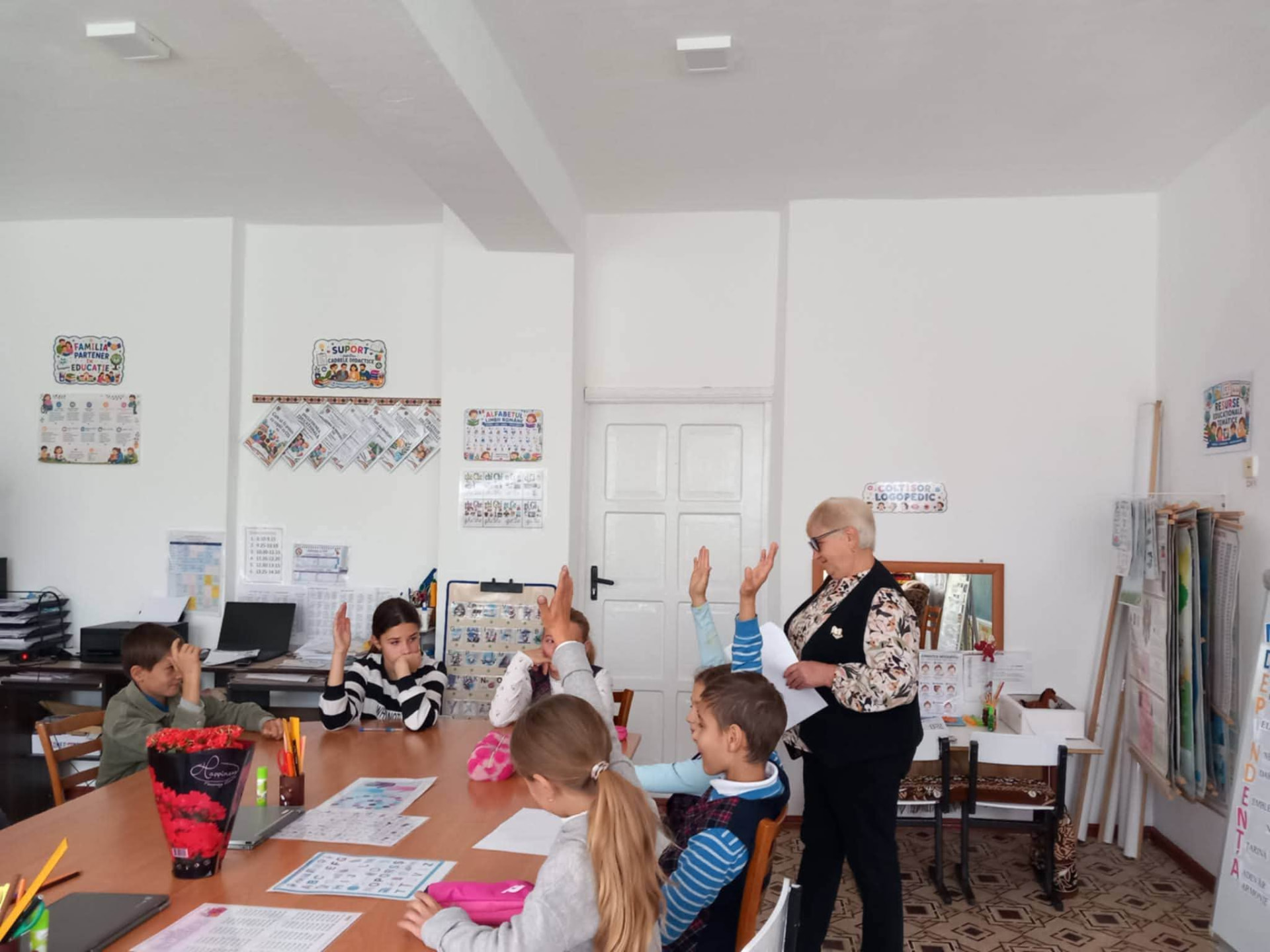
In practice, our philosophy means lessons that combine explanation with discussion, short independent tasks with group work, and regular feedback that helps students understand how to improve.
Teachers adapt materials when a student needs extra support, and offer additional challenges to students who are ready for them. Families are kept informed, because learning continues at home.